Webster Basic
Okuma ve dinleme alıştırmaları, aktivite modülleri, dilbilgisi kartları ve kelime çalışmaları.
A2-B1 Level Short Reads
Kartların üzerine tıklayarak metinlerin tamamına ve Türkçe çevirilerine ulaşabilirsiniz.
 A2-B1
A2-B1
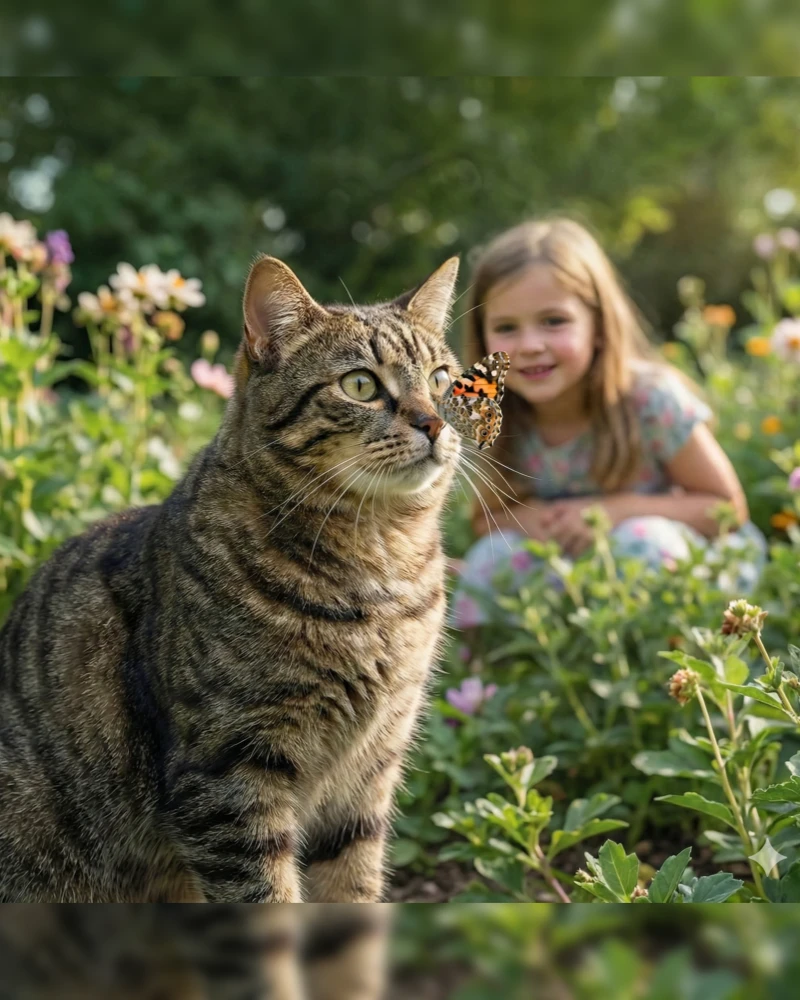
The Clever Cat
Lucy had a cat named Milo. Milo loved exploring the garden. One day, Lucy saw Milo sitting near the flowers, watching a butterfly. The butterfly landed on Milo’s nose, but Milo stayed very still. Lucy thought, “Wow, Milo is clever! He knows if he moves, the butterfly will fly away.” Milo waited patiently, and the butterfly stayed for a long time.
 A2-B1
A2-B1
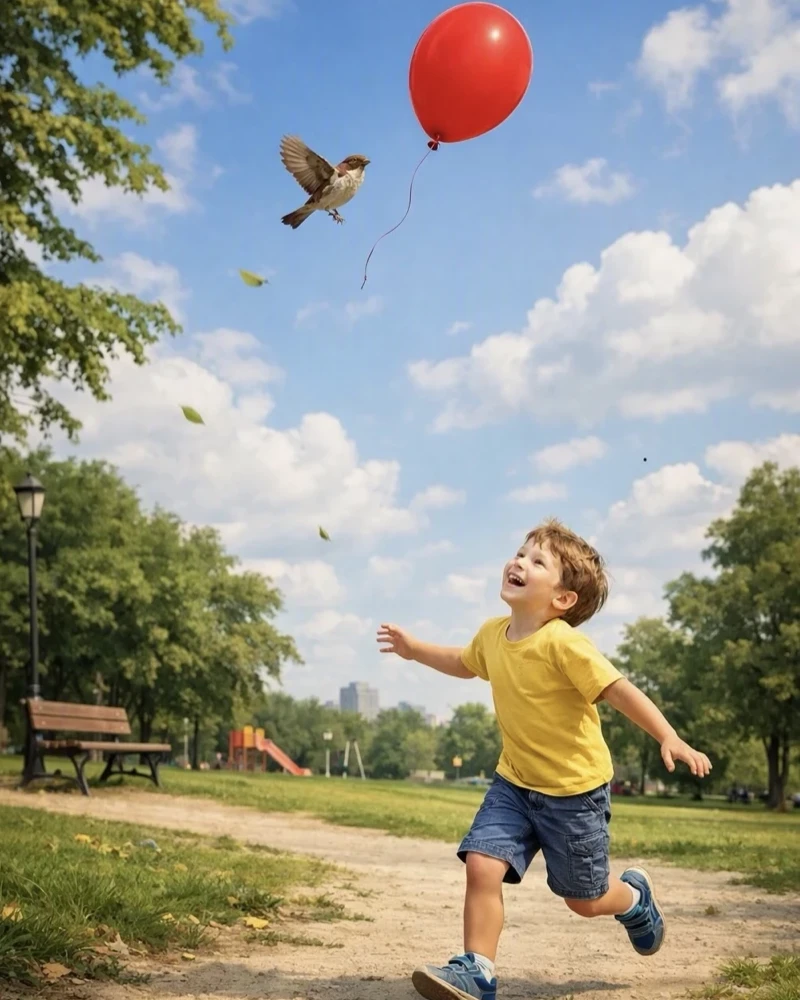
The Lost Balloon
Tom had a red balloon. He played with it in the park. Suddenly, the wind blew, and the balloon flew away. Tom ran fast, but the balloon went higher and higher. A bird flew near the balloon. Tom laughed and said, “Maybe the bird will play with it now!”
 A2-B1
A2-B1
The Science Fair Surprise
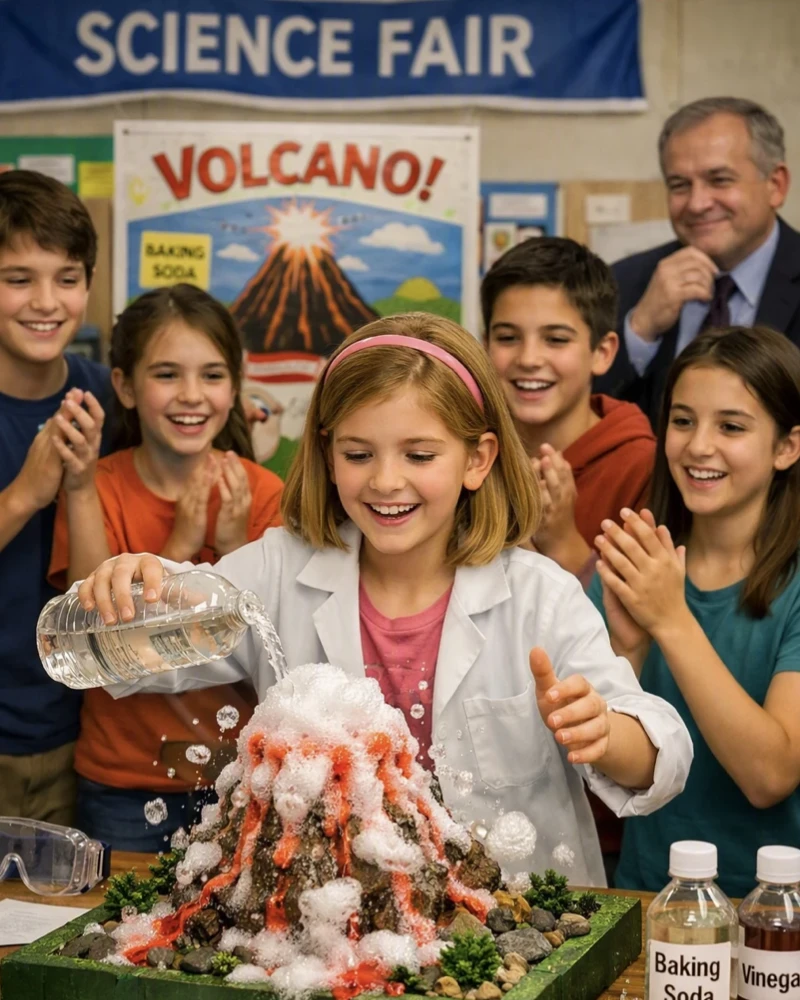
At school, students prepared projects for the science fair. Emma built a small volcano using baking soda and vinegar. When she poured the vinegar, the volcano erupted with bubbles and foam. Everyone clapped. But then, Emma explained the science: “This is a chemical reaction. The acid in vinegar reacts with the base in baking soda, producing carbon dioxide gas.” The judges were impressed, not only by the volcano but also by Emma’s clear explanation.
 A2-B1
A2-B1
The Robot Helper
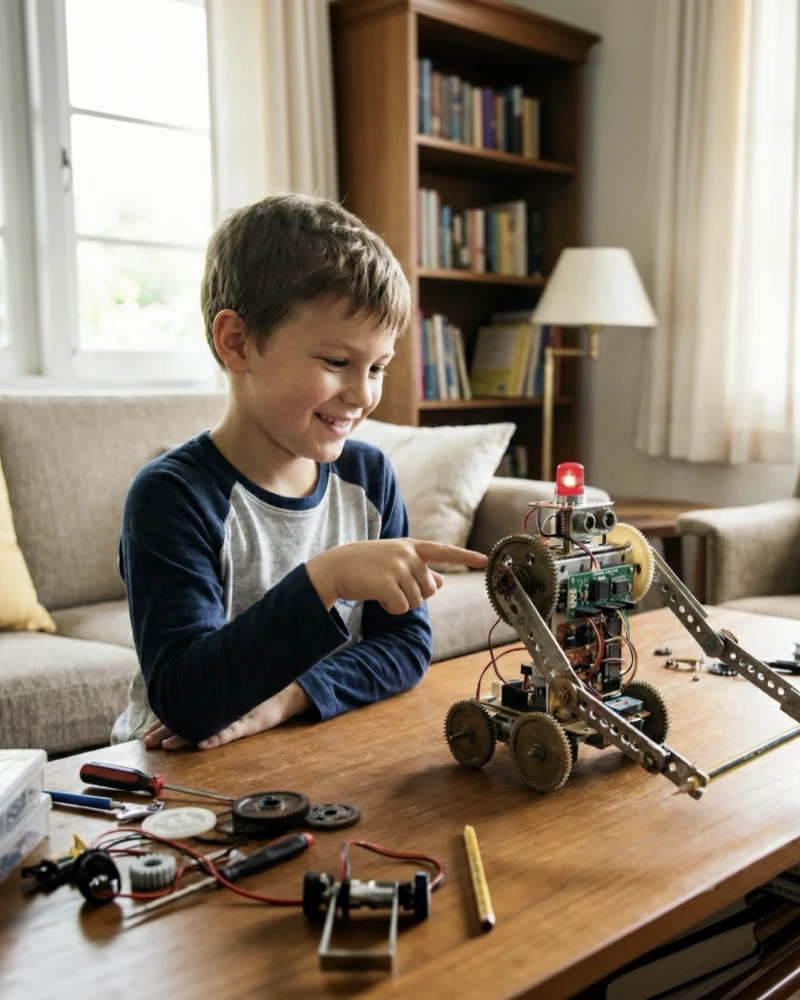
At home, Daniel built a small robot using old toy parts, old digital tools, and wires. The robot could move forward and backward, and it had long arms with a light that blinked when it stopped. Daniel’s family was surprised when the robot carried a pencil across the table. Then, Daniel explained, “Robots can follow simple commands. If we give them sensors, they can even react to the world around them.” His little sister asked, “Can it do my homework?” Everyone laughed, and Daniel said, “Maybe one day!”
 A2-B1
A2-B1
The Space Garden
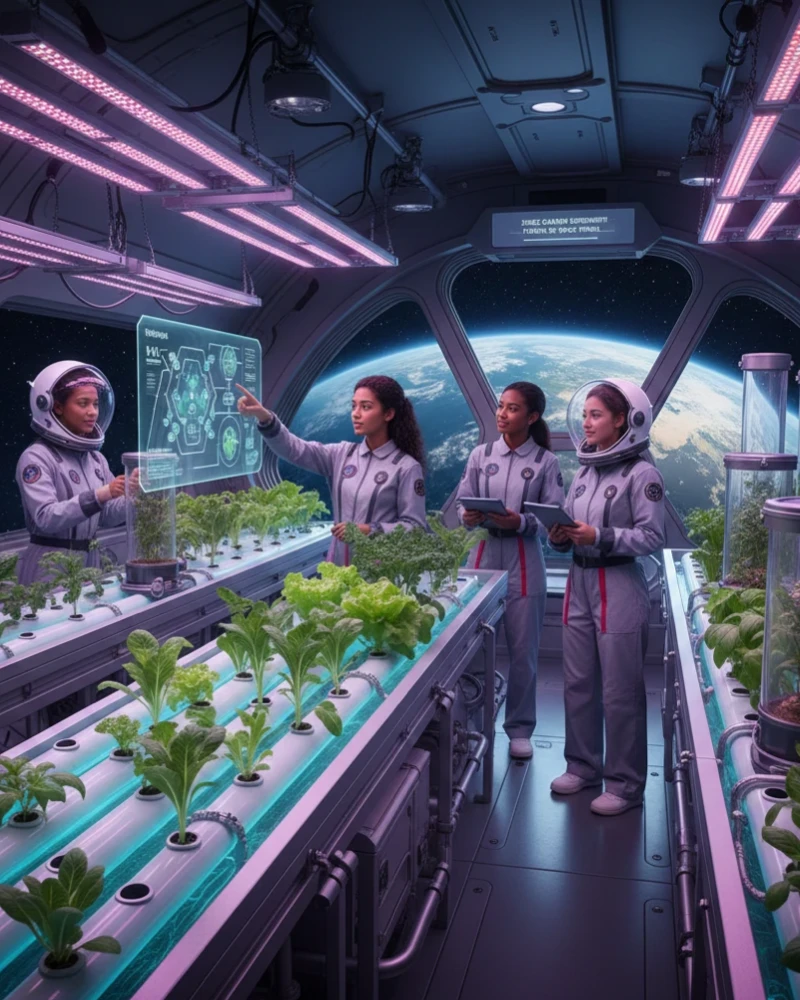
In a science experiment, students imagined growing plants in space. Sarah suggested using hydroponics, a method where plants grow in water instead of soil. She explained that astronauts could use recycled water and LED lights to help plants grow inside a spaceship. The class discussed how plants would provide oxygen and fresh food during long space missions. One student asked, “But what about gravity?” Sarah answered, “We can use special containers to hold the roots and keep the plants stable.” The teacher smiled and said, “This idea could be part of the future of space travel.”
 A2-B1
A2-B1
The AI Research Assistant
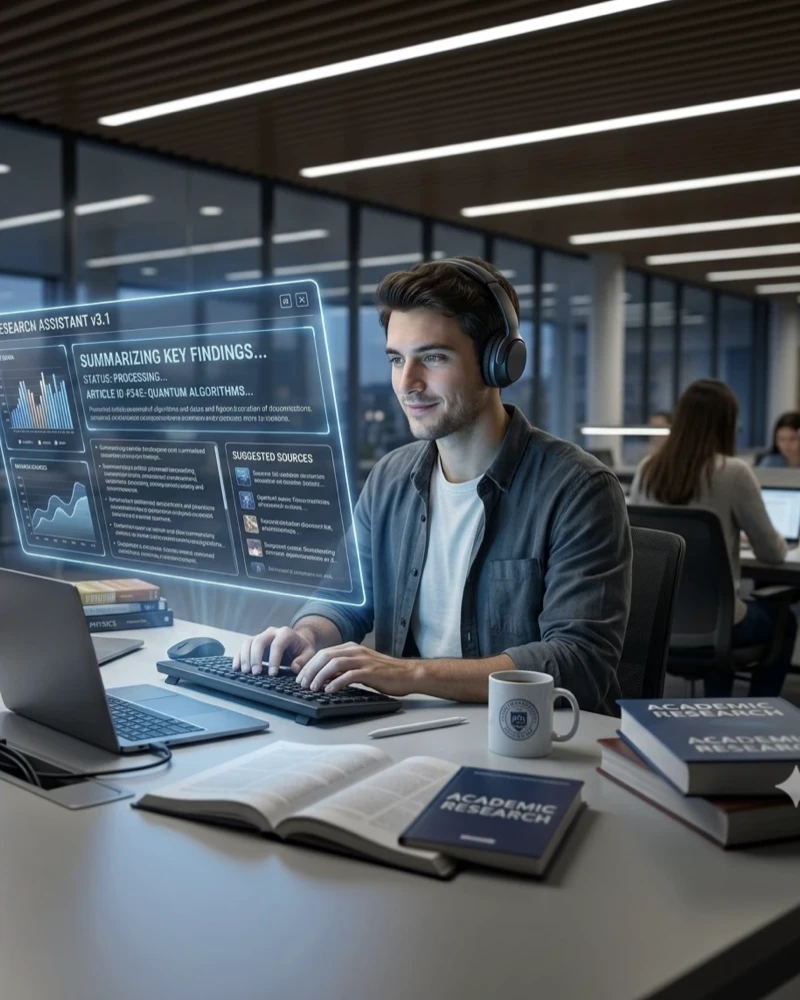
Alex is a PhD student. He uses a new AI assistant to organize his research papers. The AI summarizes long articles and suggests new sources. “It saves me so much time,” Alex says. Now, he spends more time thinking and less time searching. In the future, every researcher will have a digital partner to help with hard work.
 A2-B1
A2-B1
The Green Campus
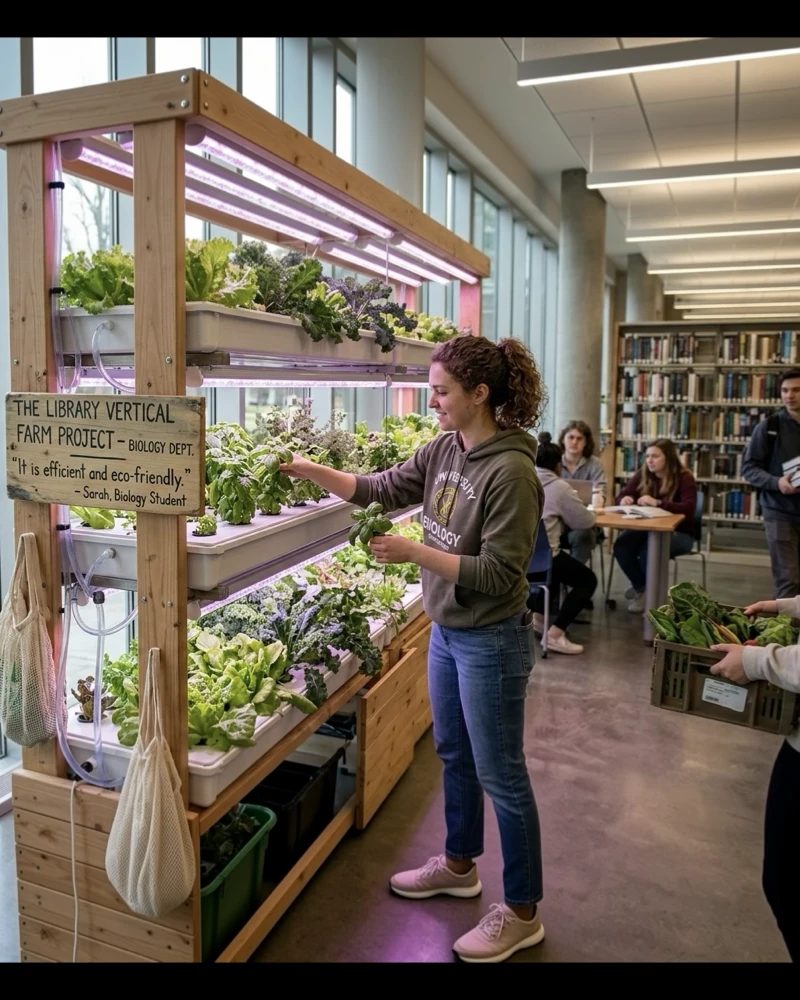
On campus, students started a small vertical farm in the library. They use LED lights and recycled water to grow fresh vegetables. “It is efficient and eco-friendly,” says Sarah, a biology student. They sell the food in the cafeteria. This project shows how future cities can produce their own food. Innovation starts with a simple green idea.
 A2-B1
A2-B1
The Virtual Lab
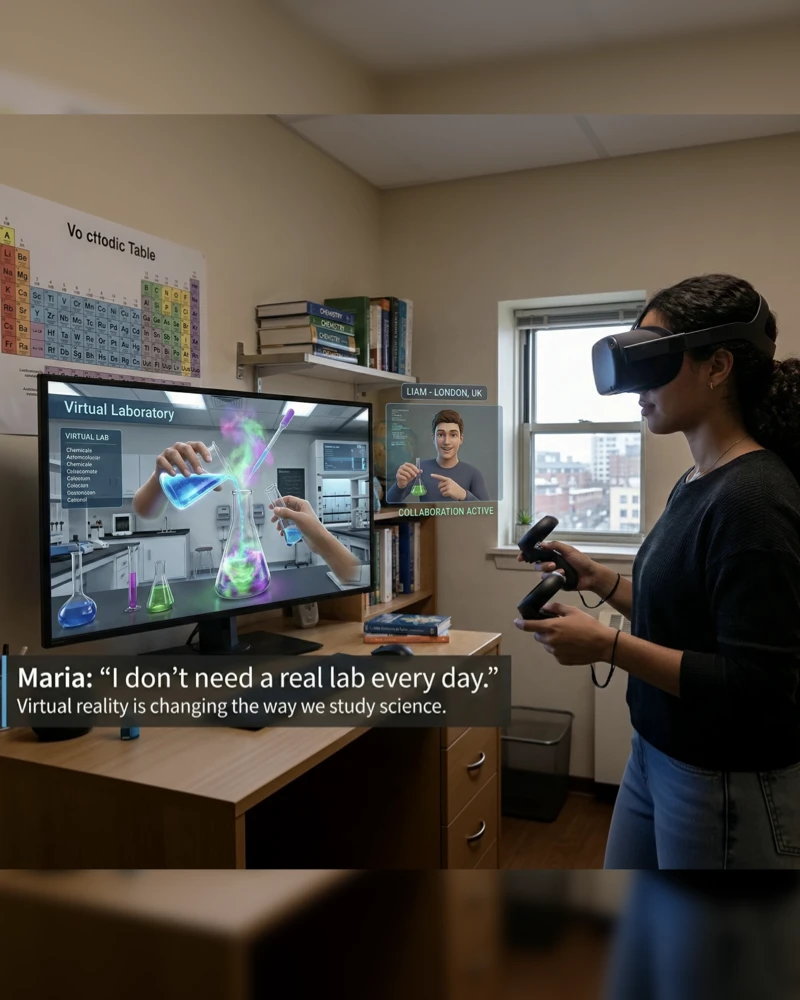
Maria studies chemistry from her room. She wears a VR headset to enter a virtual laboratory. She can mix chemicals and see the reactions safely. “I don’t need a real lab every day,” she explains. This technology helps students from all over the world learn together. Virtual reality is changing the way we study science.